Sekoia Launches Elevate With an Inspectable AI Investigation Trail
Sekoia launches Elevate for AI security investigations. Its reported speed needs to be evaluated alongside accuracy, analyst effort and inspectable evidence.
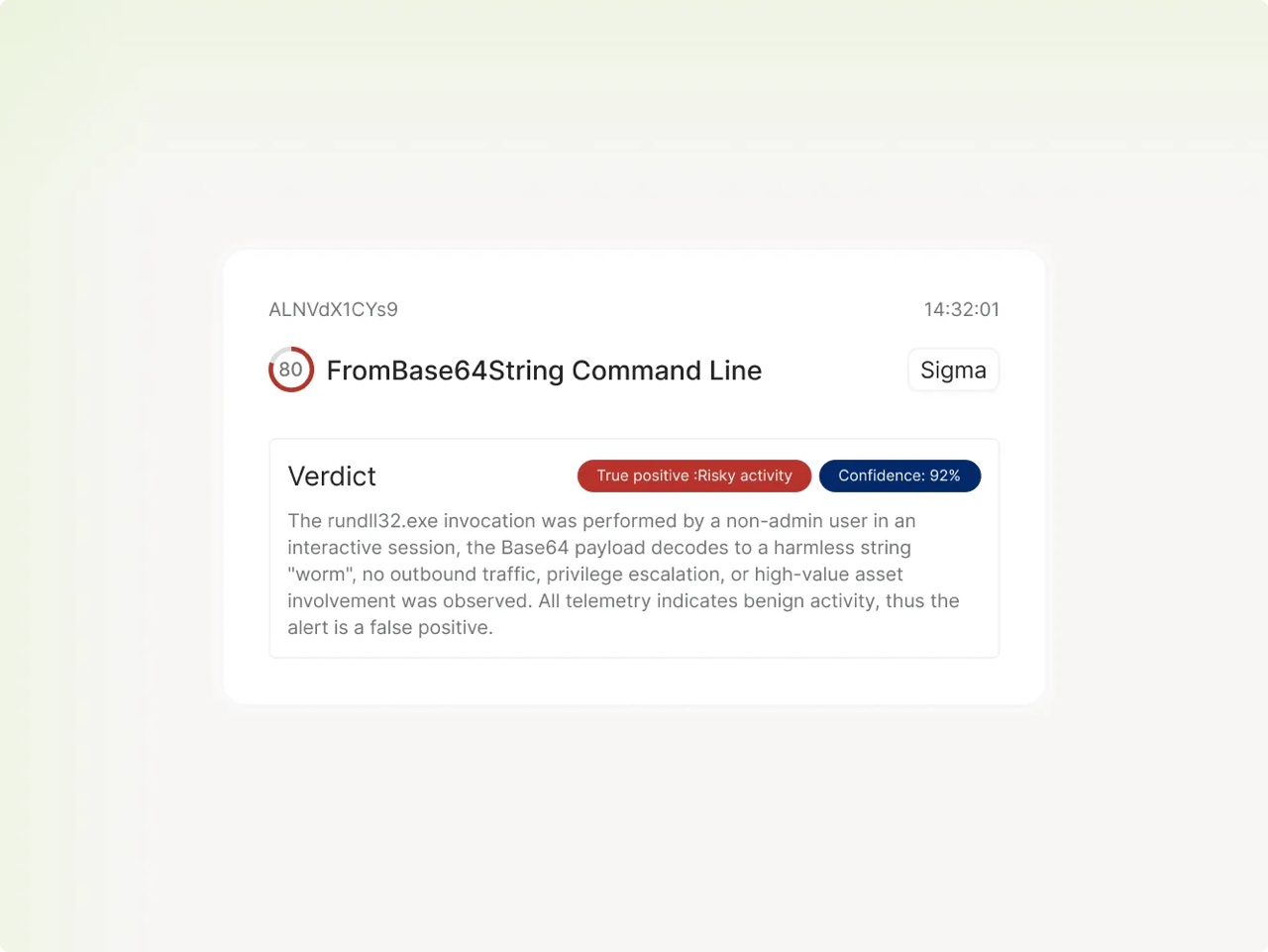
Sekoia announced the general availability of Elevate on September 30, positioning the product as an AI investigation layer for security operations. The company's launch release says its agents gather evidence from connected security data and produce a verdict that analysts can inspect, correct or override.
Sekoia reports an average of 99 seconds to a verdict and more than 425,000 investigations during early access. Those are vendor-reported results. They do not establish the time required to resolve every incident or the accuracy a different customer should expect.
The evidence behind the answer matters
The announcement describes a record of the queries run and evidence used in each investigation. It says analyst changes are logged and that security teams retain control over final decisions. Its earlier explanation of investigation runbooks describes how investigation guidance can keep relevant context and alternative explanations alongside a detection.
These product descriptions come from Sekoia. GlobalTechRanks has not run an independent evaluation of Elevate or examined the early-access dataset.
Our analysis is that an inspectable trail is more useful than a confident answer alone. An analyst needs to know whether a system found supporting evidence, failed to find contradictory evidence or simply could not access the information required to decide. Those outcomes can look similar in a short summary while calling for different next steps.
Speed needs an accuracy counterpart
A buyer evaluating the 99-second claim should define when the clock begins and what counts as a completed investigation. A fast verdict on an uncomplicated alert may not say much about a case involving several systems, missing telemetry or an attacker deliberately creating misleading activity.
A practical pilot could include known malicious activity, ordinary behaviour that resembles it and cases where the correct answer is that more evidence is needed. The team could then assess the quality of the reasoning, the rate of meaningful corrections and the time analysts spend checking the output. Those are proposed evaluation methods, not tests GlobalTechRanks has conducted.
The human review burden belongs in that assessment. If an automated investigation finishes quickly but requires extensive verification, the relevant measure is the combined effort. If it reliably prepares evidence that an analyst would otherwise collect manually, it may create value even when the final decision remains with a person.
Governance is part of the product test
Security teams should also establish which data the agent can access and which actions are permitted. An investigation tool and a response tool carry different consequences; authority to examine an alert should not automatically imply authority to disable an account or interrupt a business process.
Elevate's launch adds another concrete product to the growing market for agentic security operations. The evidence to watch is how well customers can reproduce, challenge and correct its conclusions. The average speed is a starting point for evaluation. Dependable decisions, with a record that explains them, are the more consequential result.
Image: Sekoia