Robotics Safety Is Part of Deployment, Not an Add-On
Robotics safety shapes deployment economics and operations. Examine the work area, recovery process, and responsibilities behind a factory robot purchase.
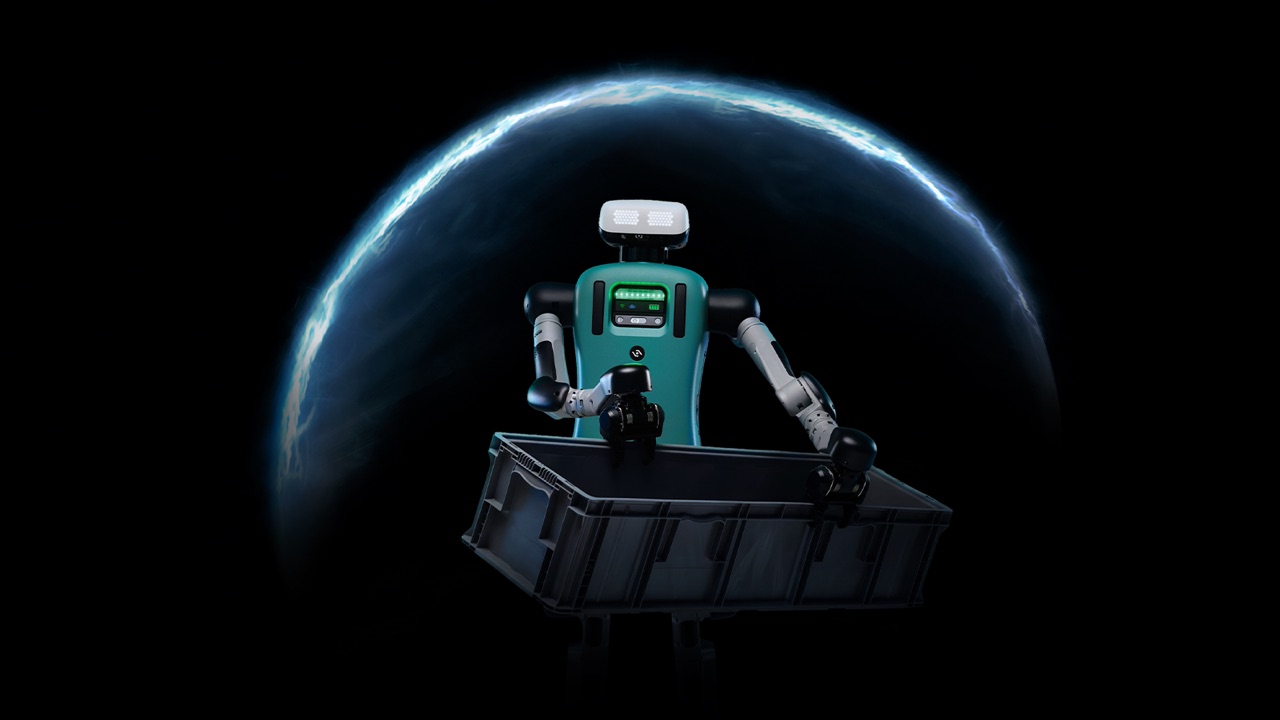
NVIDIA’s June announcement of Halos for Robotics puts safety architecture at the center of its physical AI offering. The company describes a system combining hardware, software, and related safety work for robotics.
For manufacturers, the news is a reminder that a capable robot and a deployable robot are different purchasing propositions. A machine may perform a task in a demonstration while the customer still has substantial work to do around access, supervision, recovery, and the physical environment.
Safety cannot be postponed until the robot is ready to move from the lab to the line. It is part of determining what that move means.
The environment belongs in the evaluation
BMW’s account of its physical AI program discusses factory integration and changes associated with robot trials, including safety arrangements and connectivity. That is useful customer-side evidence of work beyond the robot’s immediate task.
A plant is not a blank stage. People move through it. Materials arrive with variation. Other machines impose timing and space constraints. An operator may need to intervene without creating a new hazard.
The deployment team should define the environment in which the proposed capability has been demonstrated. A successful grasp in one fixture does not establish how the robot behaves when the part, lighting, or surrounding activity changes.
The comparison should include the work needed to make the environment suitable. That work can be a sensible investment, but it belongs in the project’s budget and schedule. Leaving it outside the robot purchase makes the commercial case look simpler than the deployment.
A safety claim needs a defined scope
A vendor may describe safety features, development methods, or certification-related work. Those descriptions should be read precisely. A product announcement does not automatically establish the safety of a complete customer installation.
Buyers should ask what system the claim covers, which operating conditions apply, and which responsibilities remain with the integrator and customer. They should also ask how changes to the task or environment affect the assessment.
NVIDIA’s Halos announcement is a vendor account of its offering, not an independent audit of every robot that might use it. The distinction protects readers from turning infrastructure availability into an unsupported deployment conclusion.
A useful procurement conversation names the proposed task and the people who may be exposed to its risks. It should involve the customer’s relevant safety specialists before the project is presented as ready for routine operations.
Recovery is a normal operating condition
A robot that stops safely may still require a person to restore the process. That recovery should be designed and evaluated, not improvised when a failure happens during a busy shift.
Who may enter the work area? Who can restart the robot? How does the system indicate what went wrong? What happens to the partly completed task and the material already handled?
Those questions are operational as well as safety-related. A recovery process can be cautious and still create an unacceptable amount of downtime. Conversely, a quick restart can be inappropriate if the team has not established why the system stopped.
Buyers should request representative examples from the proposed deployment. The aim is not to prove that a robot never fails. It is to understand whether the customer can handle failures without an unclear or improvised chain of decisions.
A successful demonstration tends to hide this part of the workflow because nothing interrupts the sequence. Production makes interruptions part of the evaluation.
The commercial agreement must allocate the work
GXO’s agreement with Agility Robotics describes a robots-as-a-service arrangement. Such agreements provide a useful context for questions about ongoing support and responsibility, although the public announcement does not disclose every contractual detail.
A buyer should establish who maintains the robot, updates its software, evaluates changed conditions, and responds when the system behaves unexpectedly. It should also understand what the customer must supply: staffing, connectivity, a suitable work area, and operational supervision may all be relevant depending on the project.
The contract and the deployment plan should agree. If the vendor’s proposal assumes a specific customer capability, the customer needs to identify who will provide it. Responsibility does not disappear because it falls between the hardware purchase and the factory integration budget.
The right test includes an interruption
A factory evaluation should include the normal task and plausible exceptions under a controlled, professionally designed process. That may reveal how the robot detects a condition it cannot handle, how it stops, and how the team returns the system to work.
A pilot also needs a comparison with alternatives. Conventional automation, a changed fixture, or a redesigned material flow may solve the same problem with different costs and constraints. Humanoid form should earn its place through the task, not through the appeal of a general-purpose-machine narrative.
This is not an argument that deployment must wait for perfect reliability. Every industrial system operates within constraints. The customer needs those constraints to be explicit and acceptable.
The companies that publish clear accounts of supervision, recovery, and operating conditions will give buyers stronger evidence than a longer highlight reel. Robotics safety is therefore also a commercial issue: it helps determine whether a product can become a process the customer is willing to rely on.
Image: NVIDIA / Agility Robotics