Humanoid Robotics Companies Ranked by Deployment Proof
Humanoid robotics companies ranked by customer-side deployment evidence. Compare Agility, Figure, and Hexagon while distinguishing agreements from pilots.
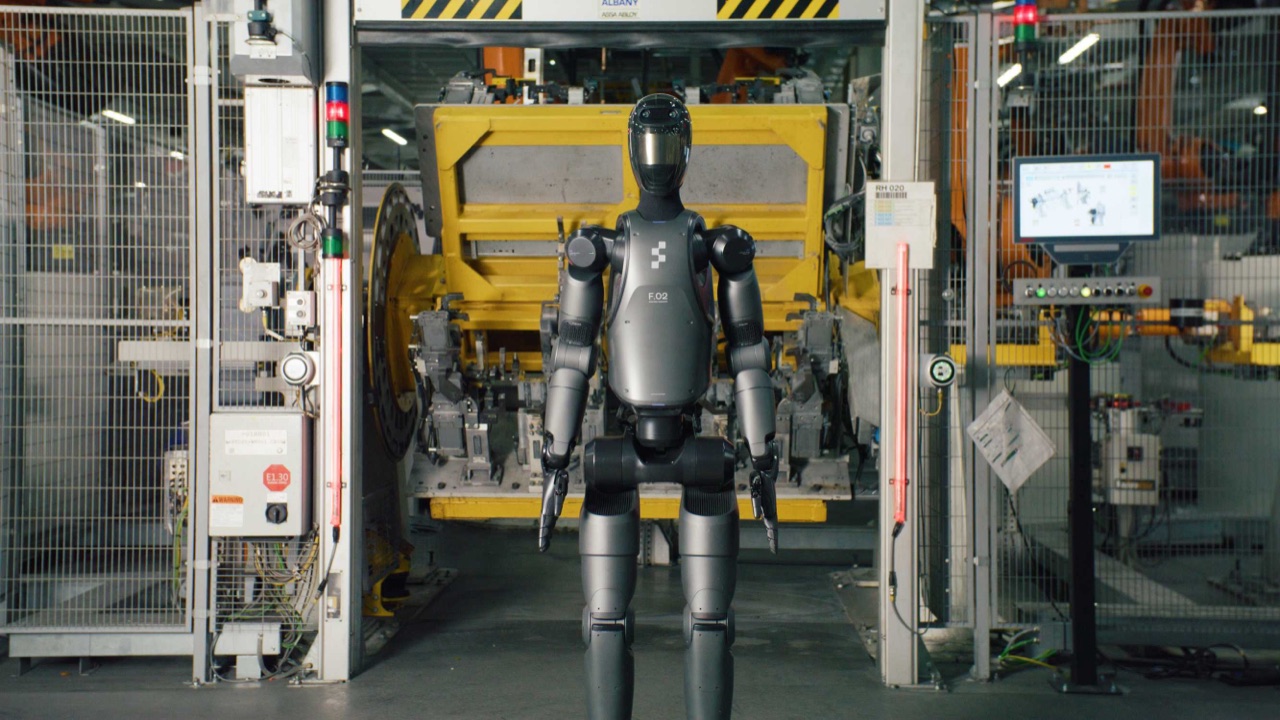
A humanoid robot can produce a striking video without establishing a viable deployment. A buyer needs evidence about the task, the customer, the operating arrangement, and what remains experimental.
GlobalRanking’s first deployment-evidence ranking puts Agility Robotics, Figure, and Hexagon Robotics in that order. The list is restricted to three companies for which we found customer-side descriptions of commercial use or industrial pilots. It does not rank the entire humanoid market or assess physical capability through independent testing.
The important distinction is between a commercial agreement, a reported customer trial, and a product demonstration. Those stages deserve different labels even when the robots look similarly impressive on screen.
What the order means
Evaluated September 29, 2026, the ranking prioritizes a documented commercial arrangement, customer-confirmed activity in an operating environment, and clarity about the task and deployment stage. It does not use valuation, social-media attention, or claimed production capacity as a substitute for deployment evidence.
GlobalRanking has not visited these sites, inspected the robots, audited uptime, or reviewed customer contracts. The order is an editorial judgment based on the cited public record. It does not establish the best robot for a particular task, independently verified economics, or readiness for unrestricted use. No paid placements or affiliate links were used.
Other companies may have compelling evidence outside this research set. Exclusion means they are not assessed here, not that they lack capable products. The ranking should be expanded only when the evidence can support a comparable description.
1. Agility Robotics: a commercial arrangement comes first
GXO’s June 2024 announcement describes a multiyear agreement to deploy Agility’s Digit in logistics operations following a proof-of-concept pilot. GXO identifies the arrangement as a robots-as-a-service deployment.
Agility ranks first because a customer-side description of a formal commercial arrangement is stronger evidence for this particular ranking than a demonstration or an early pilot. It shows a defined route from testing to an operating relationship.
That evidence has limits. The announcement does not allow GlobalRanking to independently establish current fleet size, uptime, total cost, or the economics of replacing another method. Buyers should request those measures for the task they intend to automate.
A commercial agreement is a meaningful milestone. It is not proof that humanoids are the best answer to every logistics problem. A buyer should compare the proposed robot with conventional automation and process changes as well as other humanoids.
2. Figure: customer-confirmed factory work
BMW’s account of Figure 02 trials describes the robot inserting sheet-metal parts into fixtures during testing at its Spartanburg plant. A later BMW account of its physical AI program discusses the broader experience and integration work.
Figure takes second place because the public evidence includes a named customer and a specific industrial task. That is substantially more useful than a general claim that a robot will eventually perform factory work.
The deployment label remains important. Customer trials and reported activity should not be turned into an unsupported claim about unlimited autonomous production. The reader needs to know what the customer tested and what evidence remains unavailable.
For procurement, ask how often the robot completes the task without intervention, how the station is configured, and what happens when a component arrives in an unexpected position. The task’s repeatability matters more than the robot’s resemblance to a person.
3. Hexagon Robotics: an industrial pilot with a named customer
BMW’s Leipzig article identifies Hexagon Robotics’ AEON as part of its European humanoid pilot program. The customer describes a staged route involving assessment, laboratory work, and plant testing.
Hexagon ranks third because that record provides identifiable customer-side evidence while still calling for careful separation of pilot plans from demonstrated ongoing operations. Scheduled milestones should not be presented as completed merely because their dates have passed.
The buyer should verify the latest stage directly and ask which tasks have actually been performed under plant conditions. A robot’s interchangeable tools may support several proposed applications; each application still needs its own evidence.
Hexagon could be a strong fit for a buyer seeking the tasks and integration described in the pilot. This position is about the maturity of the public deployment record in our comparison, not an assessment of the company’s overall engineering quality.
The missing metric is human intervention
A deployment account becomes much more useful when it reports the frequency and kind of human assistance. Someone may need to reset an unsuccessful grasp, reposition material, approve a recovery action, or maintain the work area.
These are questions to ask, not unverified claims about the three vendors. Their answers determine whether a robot’s apparent productivity survives the move from demonstration to a full operating shift.
The same applies to uptime and maintenance. A headline cycle time cannot establish total productive hours if the system regularly requires support. A buyer should obtain data from a representative environment, with a clear definition of what counts as successful autonomous work.
Let evidence outrank spectacle
Humanoid robotics companies should earn higher positions by publishing better deployment evidence, including customer confirmation and comparable operating measures. Funding and ambitious announcements can help explain momentum; they cannot establish that a robot pays for itself.
For now, this ranking provides a bounded starting point: a commercial logistics arrangement, customer-confirmed factory work, and a named industrial pilot. Buyers should use those distinctions to decide which company to investigate, then evaluate the economics and safety of their own proposed task.
The next meaningful headline will be a repeatable operating result that a customer can substantiate. A robot doing something impressive once is interesting. A customer explaining why it keeps doing that work is more informative.
Image: BMW Group