Helion Signs Letter of Intent for Up to $175 Million in CHIPS Funding
Helion announces a letter of intent for up to $175 million in CHIPS R&D funding, targeting power semiconductors for fusion. A final award agreement is still pending.
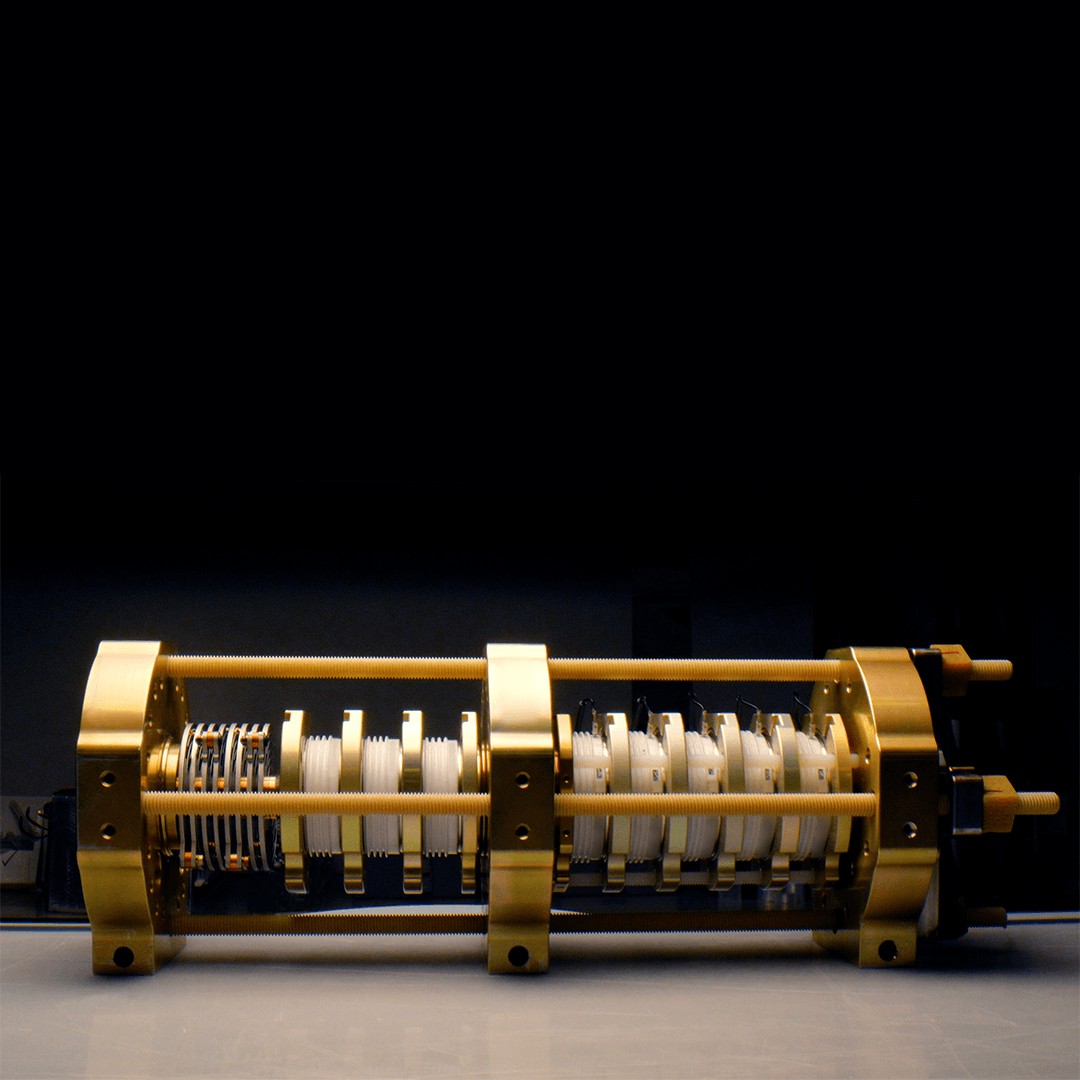
Helion announced on October 22 that it has signed a letter of intent with the US Department of Commerce for up to $175 million in CHIPS research and development funding. The proposed award targets semiconductor technologies used in the company’s fusion power systems.
This is a conditional funding development. In its announcement, Helion describes an expected federal award, accompanied by $50 million in additional private investment. It should not be reported as $225 million in completed venture financing or as money already disbursed under a definitive federal agreement.
The company says the work would support high-voltage semiconductor research, manufacturing and advanced packaging. It also says Commerce would receive a $175 million non-voting interest based on Helion’s latest Series G preferred-stock valuation upon entry into a definitive award agreement.
The power electronics inside the energy story
Helion says its systems need to switch and recover large amounts of electrical energy repeatedly, and that the devices meeting its requirements are currently available only from overseas manufacturers. The proposed program would develop domestic capabilities for that part of the system.
For technology readers, this makes the announcement a semiconductor story as well as an energy story. A power plant depends on components that must keep performing over repeated operating cycles. Improving one part of that chain can matter even when it attracts less attention than the fusion machine itself.
The analytical distinction is between developing a necessary component and proving the entire commercial system. Better switching devices could improve a design, but this funding announcement does not establish commercially delivered fusion electricity or independently validate plant economics.
What would make the next update meaningful
The first checkpoint is a definitive award agreement, with its conditions and implementation schedule. After that, useful evidence would include manufacturing milestones, qualification results and a clear explanation of how the new devices perform under the demands of Helion’s system.
For prospective suppliers, the opportunity also depends on specifications and a path to production. A research commitment can support development, while a repeatable manufacturing process must still control yield, quality and delivery. Those are distinct stages and should be evaluated separately.
The letter of intent identifies a potential public and private investment package around a specific engineering constraint. That is meaningful progress in defining the work. The remaining story is whether an agreement is finalized and whether the resulting components perform reliably enough to support the commercial ambitions attached to them.
Image: Helion