Best AI Developer Tool Companies for Small Tech Teams
Compare AI developer tool companies for small teams. GitHub, GitLab, Cursor, and Atlassian assessed by workflow fit, agent capabilities, and review burden.
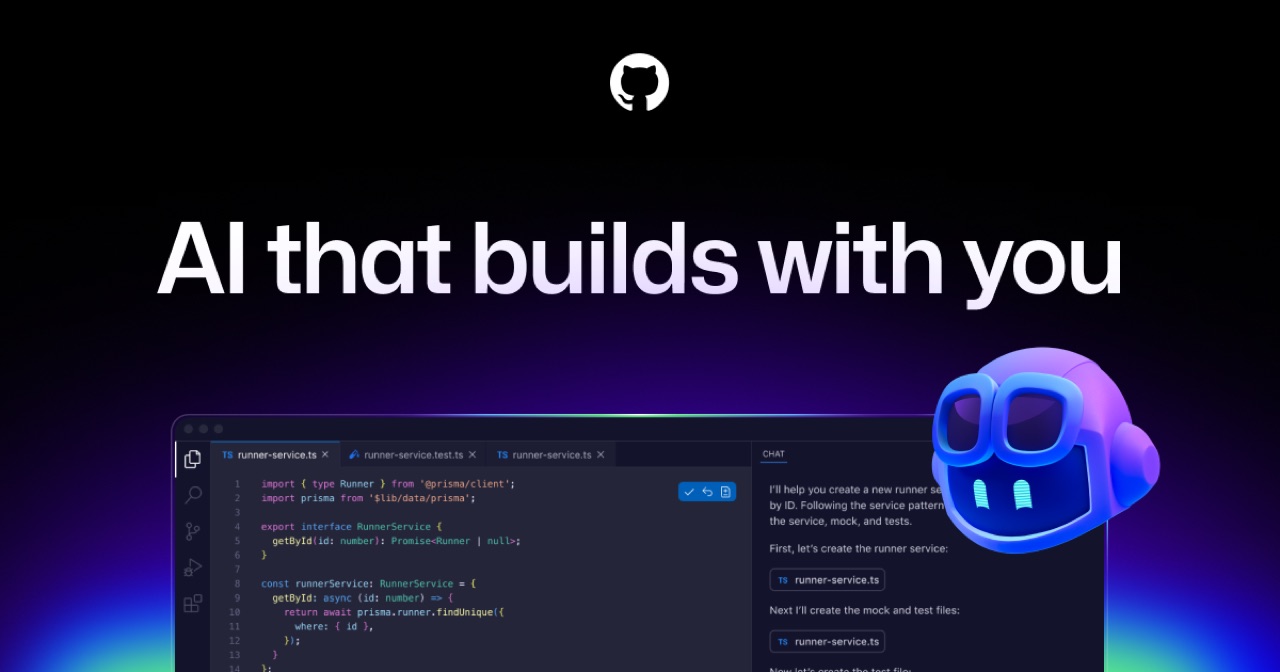
A small engineering team does not need the AI tool that generates the most code. It needs the tool that helps turn a request into a reviewed, working change without making the repository harder to maintain.
For teams already collaborating through a shared code platform, GlobalRanking’s first evaluation order is GitHub, GitLab, Cursor, and Atlassian. The order emphasizes continuity with the existing development workflow, then the scope of agent assistance, then operational control.
This is a ranking of companies to evaluate for AI-assisted development, not a claim that four products offer identical capabilities. It is also not a benchmark of coding accuracy.
What counts as a good fit
Evaluated September 29, 2026, the ranking considers four companies with publicly documented developer-agent offerings. The assumed buyer has a small team maintaining an existing product, using code review and automated checks, and seeking assistance rather than a wholesale replacement of its development process.
We prioritize repository and review fit, documented agent capabilities, visibility into changes, and the ability to manage access. The order is qualitative and desk-researched. We have not tested these tools against a shared task set, audited their security, or verified vendor productivity claims. No paid placements or affiliate links were used.
Existing infrastructure can reverse the order. A GitLab team should generally evaluate GitLab before changing platforms for GitHub. An editor-centered team may prefer Cursor. The ranking identifies a practical evaluation sequence under the stated assumptions, not an objective universal score.
1. GitHub: begin where the change will be reviewed
GitHub’s Copilot offering spans editor, command-line, and repository-oriented agent work. Its public documentation connects agent assistance to the broader development workflow.
GitHub comes first for a team already using GitHub because the proposed change ultimately needs to return to the repository, its checks, and its reviewers. Evaluating assistance within that environment is a sensible starting point.
The benefit is conditional on workflow fit. An agent-created change can still be difficult to review, and a passed check can still miss a flawed assumption. Buyers should inspect the actual artifacts generated by a pilot: the diff, test changes, task explanation, and evidence that the work satisfies the request.
The key purchasing question is whether the tool reduces the effort needed to reach an accepted change. More commits or more generated lines do not answer it. Track the reviewer’s time and the number of substantive corrections, not just the authoring stage.
2. GitLab: especially relevant to existing GitLab teams
GitLab’s Duo Agent Platform documentation describes agents and ways to invoke agent work within its environment. That makes GitLab the second company on this general shortlist and the natural first check for a team already operating there.
Its ranking reflects the importance of keeping assistance close to the lifecycle the team actually uses. A company should not adopt a second platform merely to recreate its existing task, review, and deployment process around a fashionable agent.
Ask which capabilities are available in the intended plan and installation. Confirm how an agent is invoked, what it can access, and how its changes enter review. A broad platform announcement can include features that do not match the customer’s current purchasing arrangement.
The test is straightforward: can the team use the tool on its real maintenance work without inventing a parallel process that someone must keep synchronized?
3. Cursor: evaluate the editor-centered working style
Cursor’s agent security documentation is a useful starting point for understanding its agent model and boundaries. Cursor belongs on the shortlist when the team’s bottleneck sits in navigating, editing, and checking a codebase during active development.
It ranks third because the assumed buyer prioritizes continuity with its shared review platform. A team whose daily work is more editor-centered could place it first.
The buyer should assess how much work moves into the tool and how clearly the resulting changes return to ordinary review. A comfortable authoring experience can still create a difficult review experience if the agent produces broad edits or weak explanations.
Run a pilot on a bug fix and a small feature in the same repository. Observe whether developers can keep changes bounded, understand tool actions, and recover from an unhelpful edit. Those observations are more relevant than a curated demonstration on an unfamiliar project.
4. Atlassian: consider the task context as well as the code
Atlassian’s Rovo Dev offering adds another candidate for teams whose development work is tightly connected to its collaboration environment.
Atlassian ranks fourth under the repository-first scenario, but task context may make it a better fit for an existing Atlassian customer. A coding request often depends on information that is not inside the repository: acceptance criteria, a previous decision, or a customer-reported constraint.
The buyer should test whether the proposed tool uses that context accurately and selectively. More accessible information is not automatically better information. Conflicting requirements can produce a plausible change that satisfies the wrong version of the task.
As with the other vendors, inspect the final artifact and review burden. Context integration deserves credit when it prevents mistakes, not simply when it retrieves more documents.
The metric that should decide the purchase
The best AI developer tool companies for small teams should be evaluated on accepted work over a representative set of tasks. Include unfamiliar code, a misleading requirement, and a change that needs a regression test.
Measure elapsed time, developer effort, reviewer effort, and the corrections required before acceptance. Keep the normal quality gate in place. If the tool’s apparent advantage disappears when the work reaches review, it has shifted the bottleneck rather than solved it.
A productive pilot can justify a purchase without producing a universal leaderboard. The team needs to know which tool fits its process and improves its outcomes. That is a narrower claim, and a much more useful one.
Image: GitHub