Your Smart Device’s Lifespan Depends on Its Software
Smart device support affects useful life. Examine update commitments, Matter compatibility, service dependencies, and recovery before buying connected hardware.
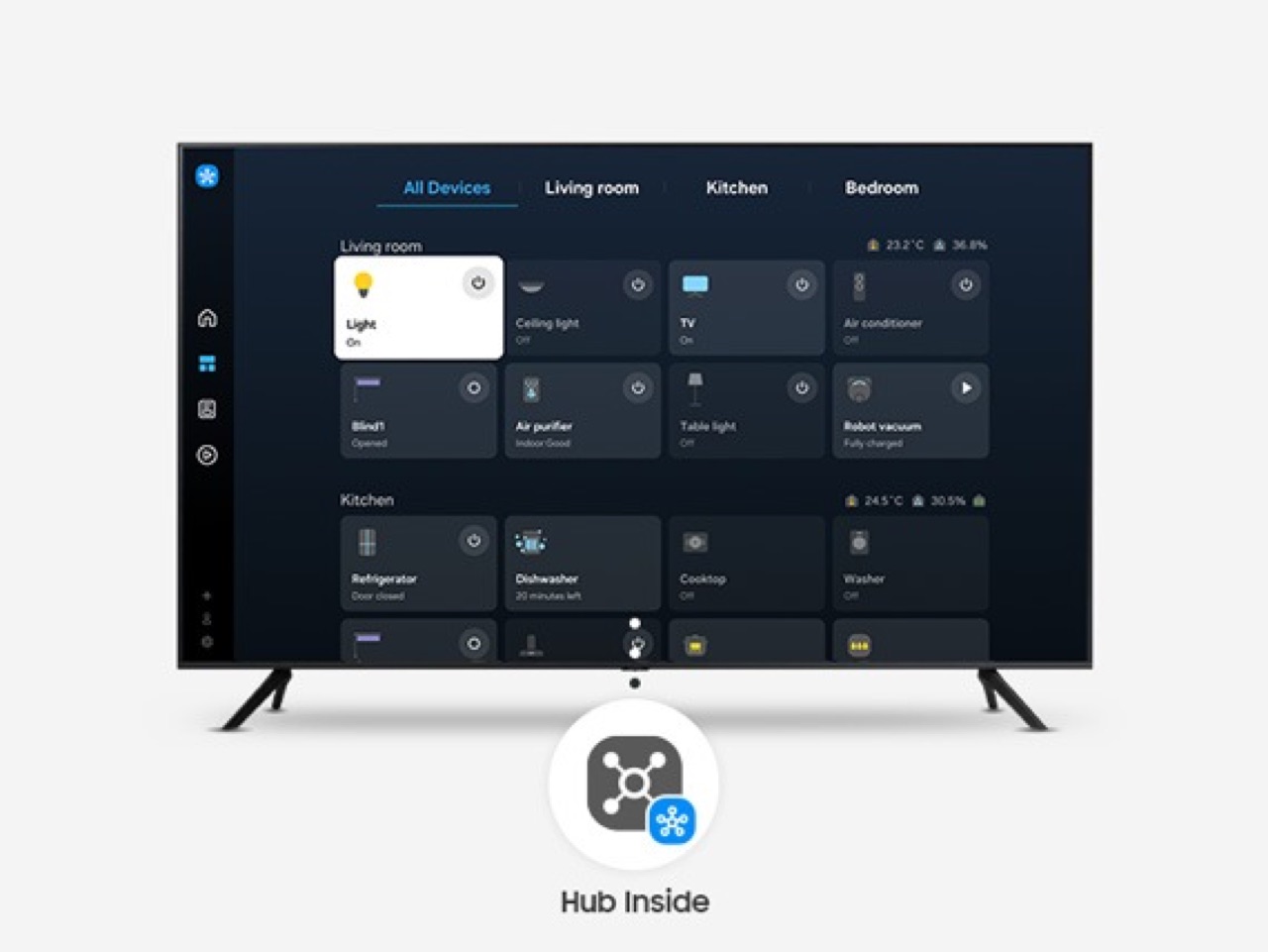
The Federal Trade Commission’s 2024 review of connected products found widespread gaps in information about software-support duration. Its staff findings warned that products can lose functionality, become insecure, or stop working when updates end.
That finding remains a useful purchasing question for consumer technology: how long will the software keep the hardware useful?
A connected device can appear durable on a shelf while depending on accounts, applications, and services the customer does not control. The purchase includes those dependencies even when the marketing focuses on the object itself.
Physical condition is only part of the lifespan
A conventional lamp can remain useful while its parts continue to work. A connected lamp may add an application, a bridge, an account, and an automation platform. Each additional capability can introduce a requirement for ongoing software support.
This does not mean smart devices are inherently poor purchases. They can offer useful control, accessibility, and automation. It means the buyer should understand which capabilities survive changes in the software environment.
Ask what the device can do without internet access. Ask whether ordinary control requires an account or a vendor-operated service. Ask how the customer resets it and whether the relevant documentation is available outside the app.
The answers are product-specific. A claim about one device’s local control should not be generalized to an entire brand. The customer needs the support terms and operating requirements for the exact model being purchased.
Matter helps with compatibility, not every dependency
Apple’s Matter documentation describes how accessories can be used across ecosystem applications. Google’s setup guidance notes that platforms add support for device categories at different times.
These are useful compatibility developments, but the presence of a standard does not answer every lifespan question. The buyer still needs to know which features are exposed through the platform, what supporting hardware is required, and who maintains the device’s software.
A compatible basic control can coexist with vendor-specific settings or services. Customers should identify which capabilities matter to them rather than assume the badge guarantees the entire product experience everywhere.
The distinction also matters when an accessory uses a bridge. Philips Hue’s Matter materials describe a bridge-based route. That bridge becomes part of the arrangement the customer needs to understand and maintain.
Compatibility can reduce one kind of lock-in without removing every operational dependency.
Support information should be a buying criterion
The FTC’s review was published in 2024. It is historical evidence of a disclosure problem, not a current audit of every product or company discussed in this article.
Buyers can nevertheless use its question now. Look for a stated support period or end date, the scope of promised updates, and the procedure for announcing changes. If the information is missing, ask before purchasing rather than infer a commitment from the company’s size.
A long support promise should also be read carefully. Does it cover security updates, new platform features, compatibility fixes, or all three? When does the clock begin: launch, manufacture, or purchase? A broad phrase such as “supported for years” is difficult to compare without those details.
The aim is not to demand unlimited updates for every low-cost accessory. It is to let the customer assess the product’s likely useful life and the risks associated with the capabilities being purchased.
An open operating model is another choice, with its own work
The Open Home Foundation’s founding announcement presents a different approach to ownership and the smart-home ecosystem. Open-source options belong in the consumer technology discussion because some households want more control over how their devices are connected.
That choice does not eliminate maintenance. A household adopting a more configurable setup should consider who will update it, troubleshoot integrations, and restore it after a failure.
The right operating model depends on the people using the home. A technically flexible system can be inconvenient if only one person understands it. A simpler managed platform can be preferable if its dependencies and support commitments are acceptable to everyone involved.
Buyers should resist treating either approach as a universal answer. The important question is whether the household can operate the arrangement over time, including after the original enthusiast stops maintaining it.
Price the useful life, not just the purchase
A connected device’s value depends on the functions the customer expects to retain. A modest upfront price can be unattractive if the important capability has an unclear support horizon. A more expensive product can also be a poor value if its promises are vague.
Before buying, write down the required function, the dependencies that provide it, and the documented support commitment. Include any recurring payment needed for that function. Then decide what the household would do if one dependency ended.
This exercise may change the product choice. It may lead to a simpler device, a different platform, or a purchase with clearer terms. It should at least make the tradeoff visible.
The next useful smart-home ranking should therefore evaluate support disclosure alongside compatibility and convenience. A device’s most attractive feature is not worth much if the customer cannot determine how long it will remain available. Consumer technology companies should make that answer easier to find before the box is opened.
Image: Samsung