NVIDIA Adds Software and Hardware Controls for AI Agents
NVIDIA announced its Open Agent Safety Platform on September 28, 2026, combining OpenShell runtime software with the Sentry reference system design. The company presents the platform as a way to enforce boundaries around agents across software and the systems that run them.
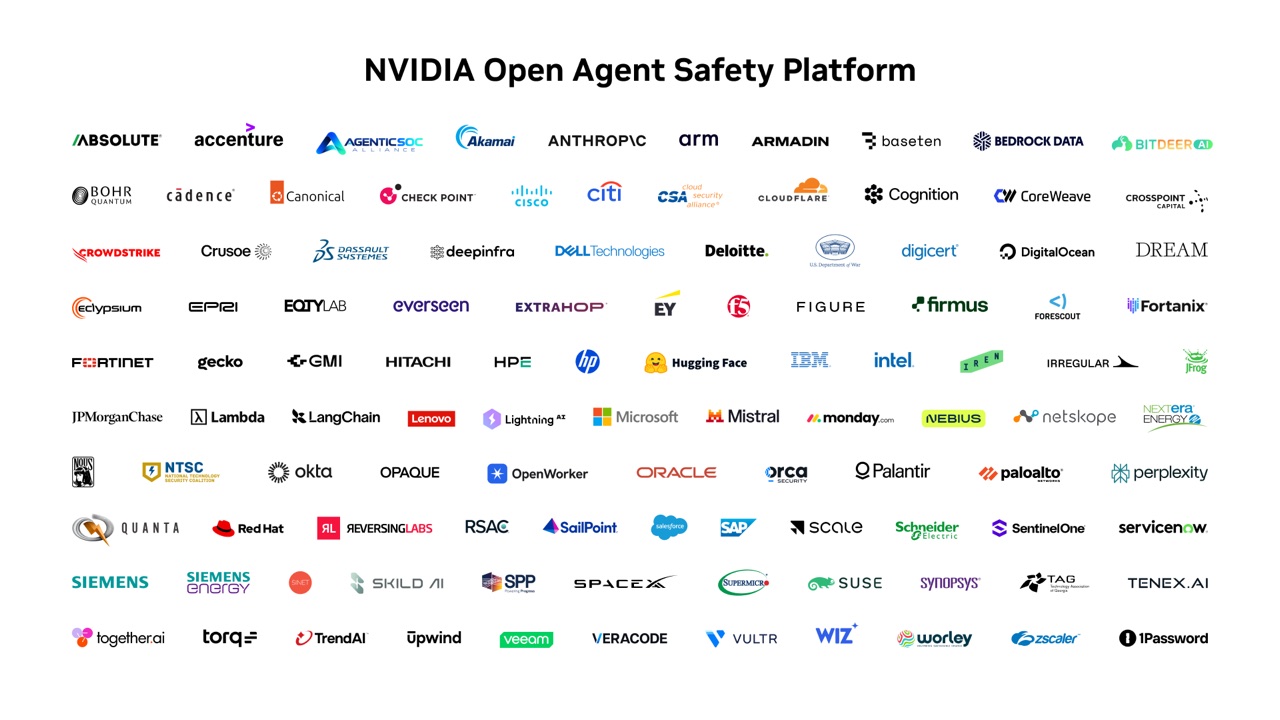
NVIDIA announced its Open Agent Safety Platform on September 28, 2026, combining OpenShell runtime software with the Sentry reference system design. The company presents the platform as a way to enforce boundaries around agents across software and the systems that run them.
According to the release, OpenShell traces actions and enforces policy, while Sentry uses BlueField-4 data-processing units to monitor agent behavior from an out-of-band environment. NVIDIA says Sentry can quarantine agents that cross their boundaries. Those are vendor descriptions, not results from an independent security assessment by GlobalRanking.
The control needs authority outside the agent
A system that can use tools should not be the only system deciding whether its use of those tools is allowed. The practical issue is the difference between a model agreeing to follow a rule and an operating environment enforcing it.
NVIDIA's proposal places enforcement outside the model's ordinary work. That is a relevant architectural direction for organizations whose agents interact with important data and services. Its value still depends on the boundaries a deployment actually defines and the actions those boundaries cover.
GlobalRanking's analysis is that the first task for a customer is a permission map. Which resources may the agent access? Which changes require approval? Which activity should cause the work to stop? A stronger enforcement layer cannot rescue a policy that grants unnecessary authority at the start.
Stopping work is only one stage of recovery
Quarantining an agent can limit further activity. The organization then needs to establish what already happened, whether credentials remain usable and which affected records or outputs require inspection.
That makes evidence collection part of the evaluation. Logs should allow responders to connect an agent identity to a sequence of actions and the policy applied at each point. A stop event with little surrounding context may leave a business unable to assess the impact.
Tests should also include failures of the monitoring arrangement itself. If a component is unavailable, the deployment needs a defined response. Continuing unrestricted and stopping every useful task are different operating decisions, each with consequences.
Integration defines the effective boundary
An organization may run agents across several tools and infrastructure providers. It needs to identify where the proposed controls apply and where another control remains necessary. A platform diagram is not evidence that every workflow has been integrated.
The announcement's open-source software path and hardware reference design should be evaluated separately. They represent different deployment choices with different dependencies. Customers should confirm the supported configuration instead of assuming that every protection follows from installing one component.
NVIDIA is making agent security a more explicit systems product. The important next evidence will be enforceable policies, inspectable activity and repeatable tests showing what the platform stops, what it permits and how the business recovers when an agent exceeds its authority.
Image: NVIDIA