Apple Previews Siri AI and Its Next Software Generation
Apple previewed Siri AI and a new generation of Apple Intelligence on June 8, 2026 at WWDC. The announcement places an expanded assistant within its upcoming software releases across the company's device platforms.
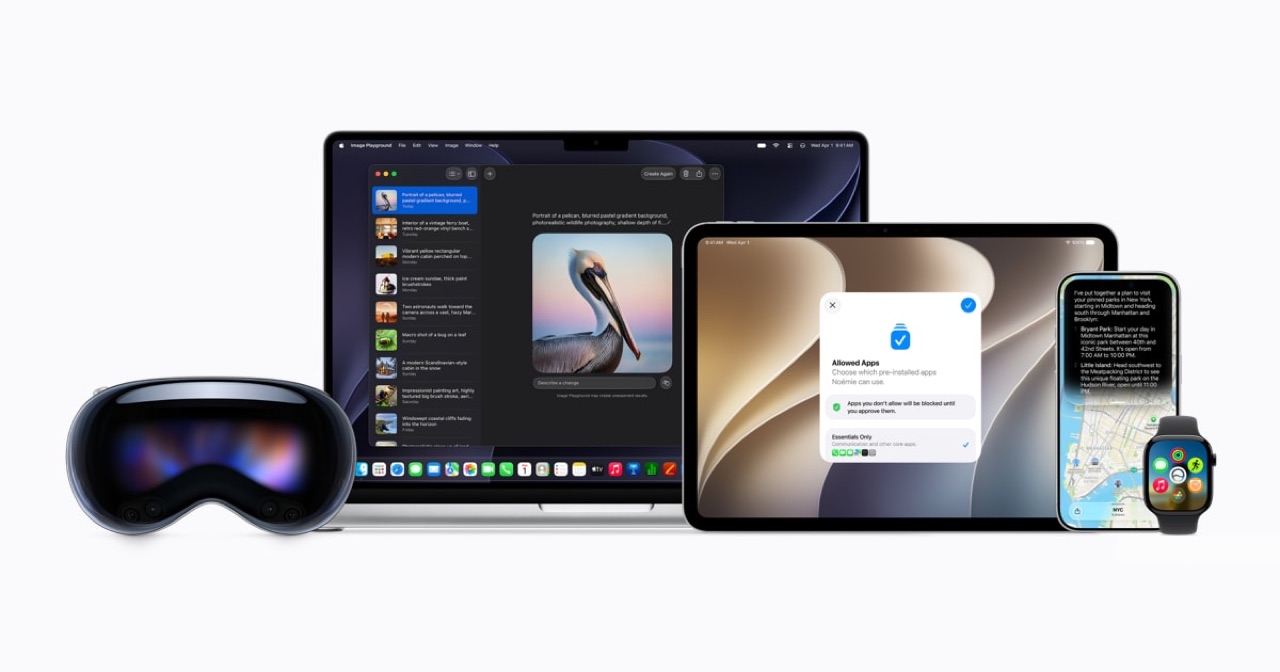
Apple previewed Siri AI and a new generation of Apple Intelligence on June 8, 2026 at WWDC. The announcement places an expanded assistant within its upcoming software releases across the company's device platforms.
In its release, Apple describes Siri AI using personal context across messages, email and photographs, answering questions about screen content and carrying out additional actions across applications. These are announced capabilities for upcoming software, rather than evidence that every customer could use every feature on June 8.
The assistant has to understand the context
Searching across personal information is a useful ambition because the information people need is often scattered. A message may name a place, an email may contain the booking and a photograph may provide another clue. Bringing those pieces together could remove several manual searches.
The difficulty is deciding which pieces belong together. Similar names, changed plans and incomplete messages can all lead to an answer that sounds reasonable but uses the wrong context. The interface should let the person inspect and correct the interpretation before relying on it.
GlobalRanking's assessment is that an assistant becomes more useful when it exposes the basis for an action. Showing the booking being used or the appointment being changed gives the user a concrete object to confirm. A general assurance about understanding does not provide the same opportunity.
Reading and acting need different controls
An assistant that finds a photograph is performing a different kind of task from one that changes a record or communicates with another person. The consequences depend on the action, the information involved and who will receive the result.
Product evaluation should preserve those distinctions. A successful retrieval demonstration does not establish that the action system handles ambiguous instructions well. Testing should include a request with two plausible destinations and a case where permission is missing.
Personal context also creates expectations about access. A user needs a clear account of what the assistant may read and how to change that choice. Shared devices and family arrangements can make those boundaries particularly important.
A preview starts a timetable
The June announcement should be read as a preview of a software direction. Device support, language coverage and regional availability can affect the eventual experience, and Apple notes that features and availability are subject to change.
A household should therefore avoid making a purchase solely around an announced capability before confirming its availability on the intended device. An organization planning a deployment has the same need, with additional application and management checks.
Siri AI makes cross-application assistance a more prominent part of Apple's software strategy. The evidence that matters next will be how reliably the shipping experience handles ordinary personal information, explains its decisions and distinguishes an answer from an action requiring the user's authority.
Image: Apple