Microsoft Refreshes Surface for Business With New AI PCs
Microsoft announced a new Surface for Business portfolio on May 19, 2026, including Surface Pro and Surface Laptop devices powered by Intel Core Ultra Series 3 processors. The company said those devices were available that day in selected markets, with Snapdragon X2 models planned for later in the year.
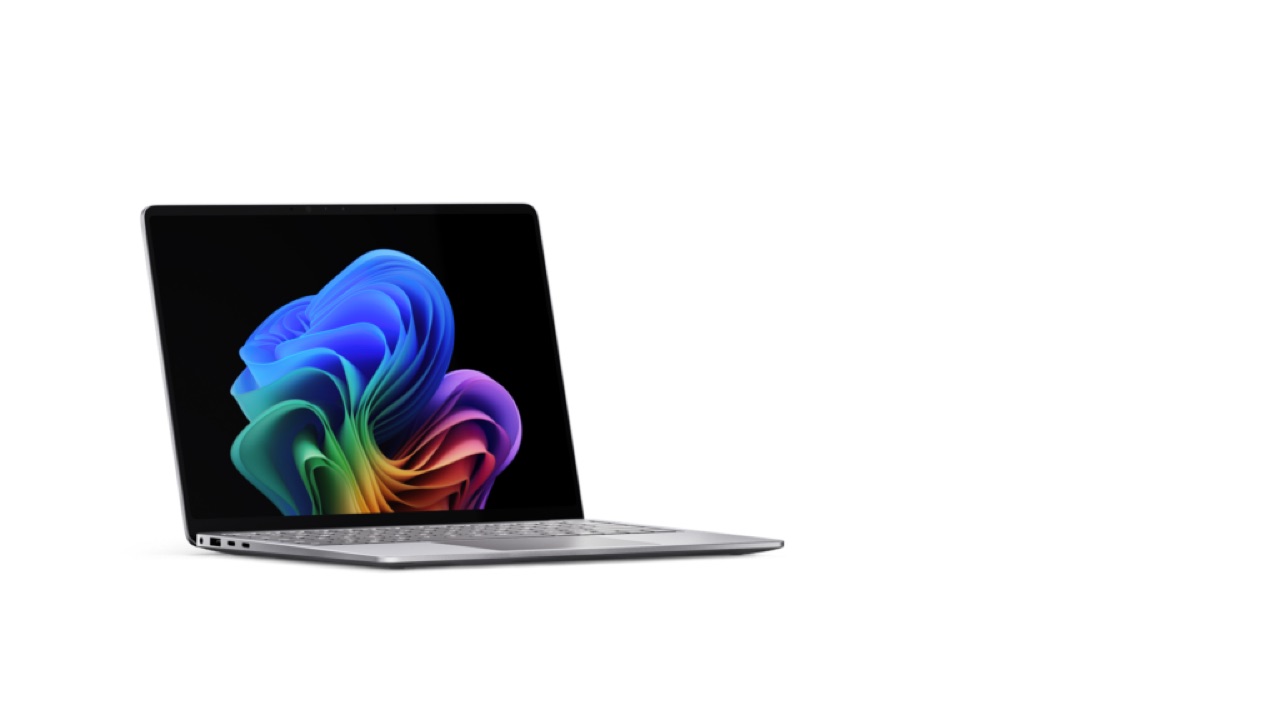
Microsoft announced a new Surface for Business portfolio on May 19, 2026, including Surface Pro and Surface Laptop devices powered by Intel Core Ultra Series 3 processors. The company said those devices were available that day in selected markets, with Snapdragon X2 models planned for later in the year.
The announcement presents the computers alongside Microsoft's device-management environment. It also describes a removable SSD for the 13-inch Surface Laptop for Business. Performance comparisons in the release are Microsoft's claims and depend on the configurations and tests it identifies.
A fleet purchase differs from an individual upgrade
A business deciding on computers has to support the machines after they arrive. Software compatibility, provisioning, repairs and replacement procedures can influence the value of a purchase as much as a faster processor.
That makes management integration a meaningful part of Microsoft's proposition. A familiar administration path may make a deployment easier for an organization already using those services. The advantage still has to be measured against the particular applications and operating requirements of the business.
GlobalRanking's analysis is that a purchasing team should begin with representative users. A mobile employee, a desk-based analyst and someone running specialist software may need different configurations. Standardizing everything can simplify support while also buying unnecessary capability for some people and insufficient capability for others.
The AI label needs an application
Local AI acceleration can be useful when a supported application performs a task on the device. It is less useful as an abstract specification detached from the software the employee runs.
A pilot should therefore establish which features are available, which hardware path they use and whether they improve an actual job. It should also include the organization's security settings. A feature that works on a demonstration machine may not behave identically on a managed device.
The rollout timetable is another part of the decision. Intel-based systems available in May and Snapdragon-based systems planned for later are distinct options. Buyers should avoid assuming that a result or compatibility finding for one carries over unchanged to the other.
Serviceability can affect the full cost
A removable storage component creates a potential service option, but a business still needs to understand the procedure, warranty conditions and parts supply. A repairable design is most valuable when the organization can make practical use of it.
The same applies to replacing a failed device. A documented recovery process can reduce disruption even when it does not appear in a performance chart. Fleet costs include the time people cannot work, as well as the price of the hardware.
Microsoft's refresh offers business customers another generation of managed Windows PCs. The strongest purchase case will connect the specifications to application compatibility, employee needs and the support process that keeps the fleet working throughout its useful life.
Image: Microsoft