Google Launches Pixel 10 With AI Across Everyday Phone Tasks
Google announced the Pixel 10, Pixel 10 Pro and Pixel 10 Pro XL on August 20, 2025, introducing the Tensor G5 chip and a new generation of Gemini Nano alongside the phones. The company scheduled retail availability for August 28.
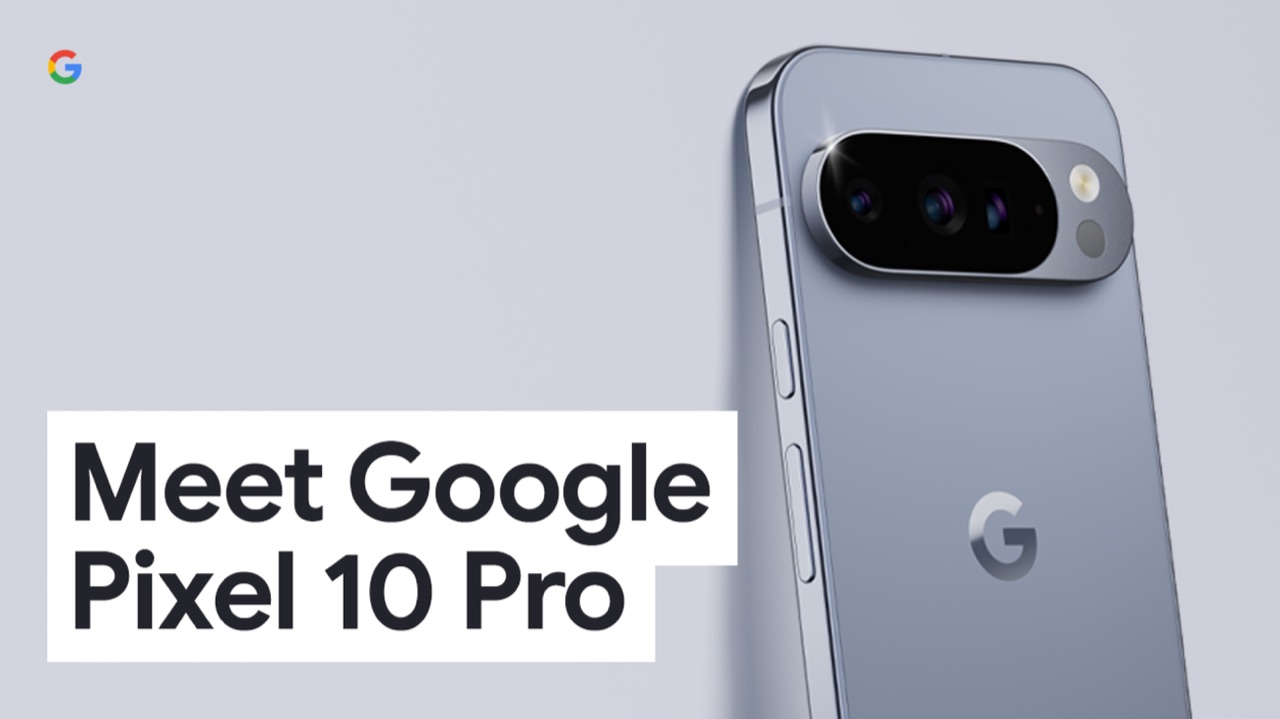
Google announced the Pixel 10, Pixel 10 Pro and Pixel 10 Pro XL on August 20, 2025, introducing the Tensor G5 chip and a new generation of Gemini Nano alongside the phones. The company scheduled retail availability for August 28.
One of the central software additions is Magic Cue. In its announcement, Google describes the feature offering relevant information within familiar apps, including surfacing flight details during a call to an airline. Google says the feature uses information with the user's permission.
An assistant without a separate conversation
The product idea is different from asking a chatbot to retrieve something. Contextual assistance tries to recognize what information would help during the activity already under way. A useful result arrives in the call or message, rather than requiring the user to leave it and begin another task.
That is an appealing proposition for a phone. People regularly switch between email, a calendar and a conversation to find one piece of information. Removing that search could make the device feel faster without changing the speed of the network or the application itself.
But the distinction between helpful and intrusive is narrow. A suggestion can be correct yet appear at the wrong moment. It can surface an old reservation or a detail that should not be shared with the person on the other end. Context needs to include what the user is trying to do, not merely what information exists.
Why permission design matters
GlobalRanking's analysis is that phone assistants should make their information sources understandable. A user ought to know which accounts are involved and how to change the decision. A control that is technically available but difficult to find will not help someone surprised by a suggestion.
The purchase decision also extends beyond the demonstration. Buyers should assess the phone's ordinary strengths: battery experience, camera behavior, comfort, storage and software support. An AI feature can be valuable without outweighing an inconvenient device.
For a household replacing several phones, it is worth comparing the features people will actually use. Someone who rarely manages bookings on their phone may value a different part of the product from a frequent traveler. The most compelling example in a presentation does not have to be the deciding factor for every customer.
What needs to be tested after release
The announcement establishes Google's direction, not an independent measurement of reliability. A practical review should examine how often assistance is relevant, whether it can be dismissed easily and what happens when the source information is incomplete.
Those tests should include mundane cases. A changed booking, a shared family account or two appointments with similar names can expose limitations that a prepared example does not show.
Pixel 10 makes the phone itself a larger part of Google's AI interface. The commercial question is whether that assistance becomes a habit because it is useful, rather than a feature users remember only when a promotion reminds them it exists.
Image: Google