Apple Opens Its On-Device AI Models to App Developers
Apple announced on June 9, 2025 that developers would gain access to the on-device foundation model behind Apple Intelligence through a new Foundation Models framework. The announcement at WWDC puts a built-in language model within reach of third-party applications, rather than reserving the technology for Apple's own features.
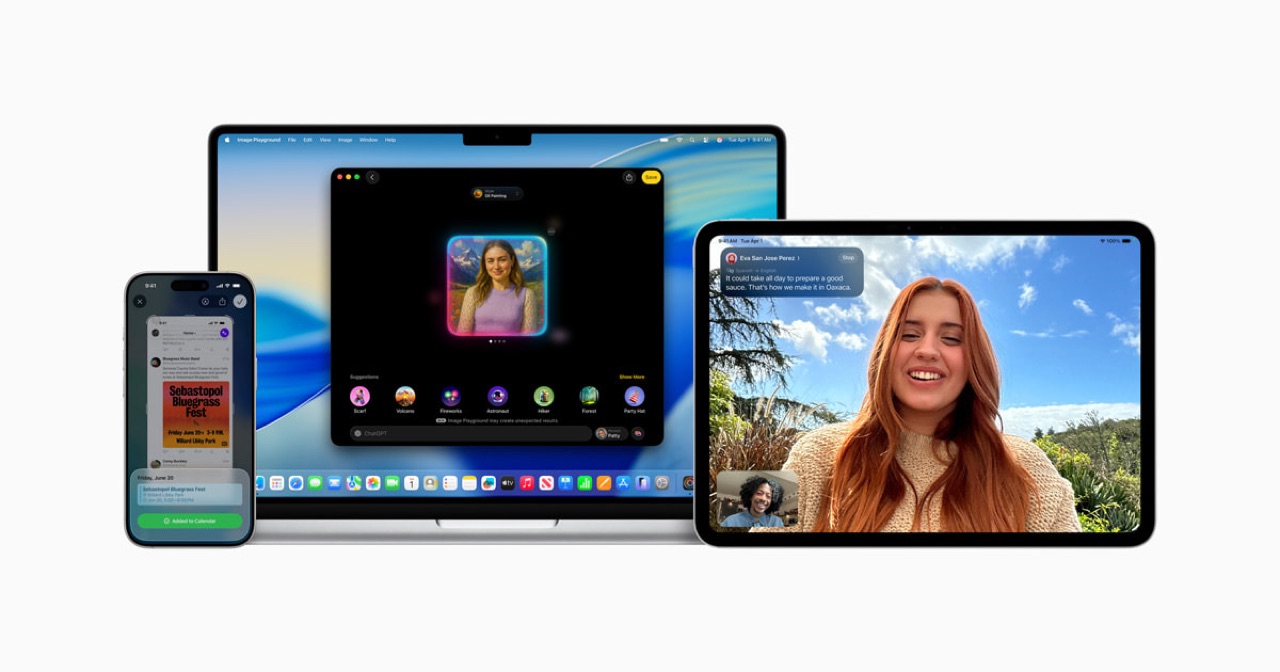
Apple announced on June 9, 2025 that developers would gain access to the on-device foundation model behind Apple Intelligence through a new Foundation Models framework. The announcement at WWDC puts a built-in language model within reach of third-party applications, rather than reserving the technology for Apple's own features.
Apple's launch statement describes offline inference, Swift support, guided generation and tool calling. Apple says using the on-device model does not incur cloud API charges. That changes one part of an application's cost structure; it does not make development, evaluation or customer support free.
A different starting point for an app
For a developer, the interesting opportunity is a task that already belongs inside an application. A study tool might generate questions from notes. A catalog might let someone describe what they want instead of navigating filters. These are bounded jobs with a known body of information and an interface designed for a particular user.
A device model offers a different architecture from sending every request to a remote service. An app can potentially preserve a useful experience when a connection is unavailable, while avoiding a separate inference bill for those requests. The tradeoff is that it must work within the capabilities and availability of the model on the user's device.
That distinction should shape product design. A feature that depends on a much larger model, very long inputs or constantly changing outside information may still require another approach. Access to a model is a building block, rather than a guarantee that every proposed feature will be practical.
The first useful test is a narrow one
GlobalRanking's assessment is that developers should start with a feature whose success can be observed. If the model classifies a note, the user should be able to correct the category. If it extracts an event, the app should show the date before saving it. A polished answer can hide a small mistake that matters later.
Offline use also deserves an actual product test. A developer should check what happens on an unsupported device, when the model is unavailable, or when an input is too large. A fallback screen is part of the experience, not an engineering detail to add after launch.
The same applies to accessibility and language coverage. A feature can look convincing in the developer's preferred language while failing the audience the application serves. The launch announcement establishes an opening for developers; it does not supply evidence about every possible application.
What this announcement changes
Apple is making local AI a platform capability that third-party teams can design around. For smaller developers, that creates room to experiment without making a hosted model subscription the center of the product.
The stronger app will still be the one that uses the model for a recognizable purpose, shows uncertainty when necessary and remains useful when the generated result needs correction. Those are the standards that will determine whether this new framework becomes a dependable feature or another button users stop pressing.
Image: Apple